
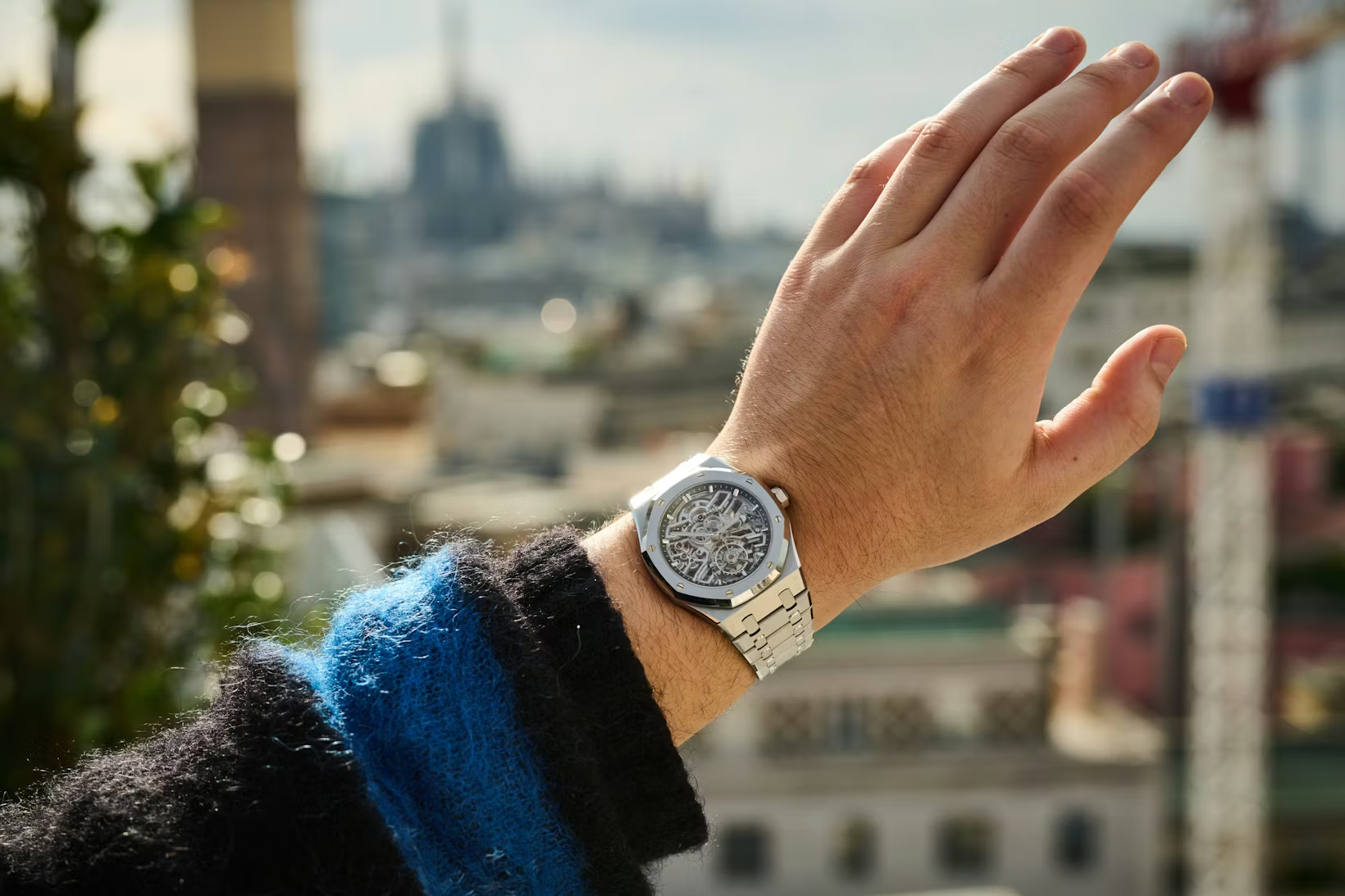
The Audemars Piguet Royal Oak isn’t just a watch; it’s a cultural phenomenon that redefined the entire concept of luxury horology when it debuted in 1972. Gérald Genta’s octagonal design was radical back then, and it remains the gold standard for integrated bracelet sports watches today. However, with the skyrocketing market prices and limited availability of genuine pieces, the world of super clones has reached a level of sophistication that was previously unthinkable. When you hold a top-tier Audemars Piguet Royal Oak super clone, specifically the 15500 or 15400 series, the initial impression is almost disorienting because of how closely the weight and light play mimic the original.
The Art of the Integrated Bracelet
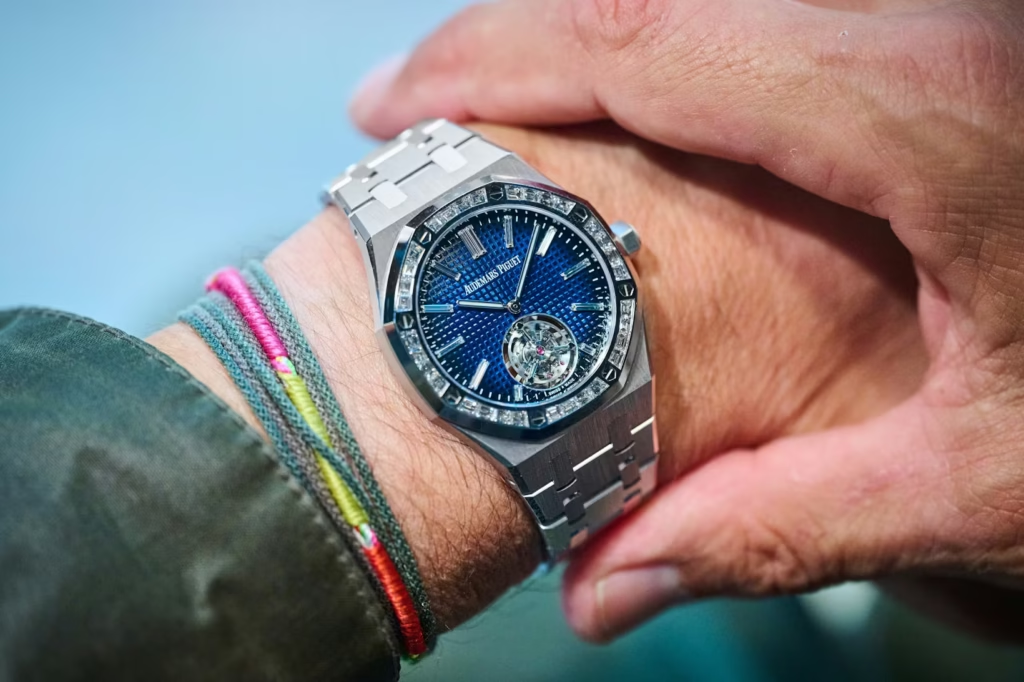
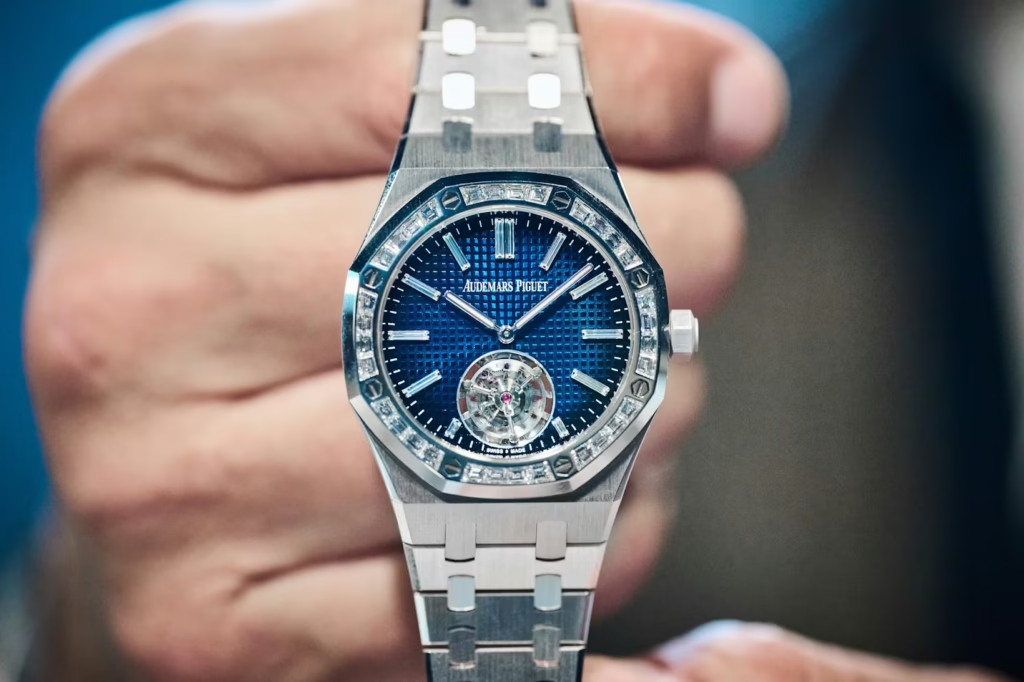
The defining characteristic of any Audemars Piguet Royal Oak is the bracelet, and this is where most lower-end replicas fail immediately. A true super clone distinguishes itself through the finishing of the stainless steel links. On a high-quality version, usually crafted from 904L steel, each link is individually brushed with polished chamfers that catch the light with a distinct “shimmer” as you move your wrist. The taper must be exact, and the “butterfly” clasp should snap shut with a mechanical click that feels secure rather than tinny. If the edges of the bracelet feel sharp or “bitey” against the skin, it’s a giveaway, but the best versions now hand-finish these edges to provide that signature silk-like comfort.
Mastering the Grande Tapisserie Dial
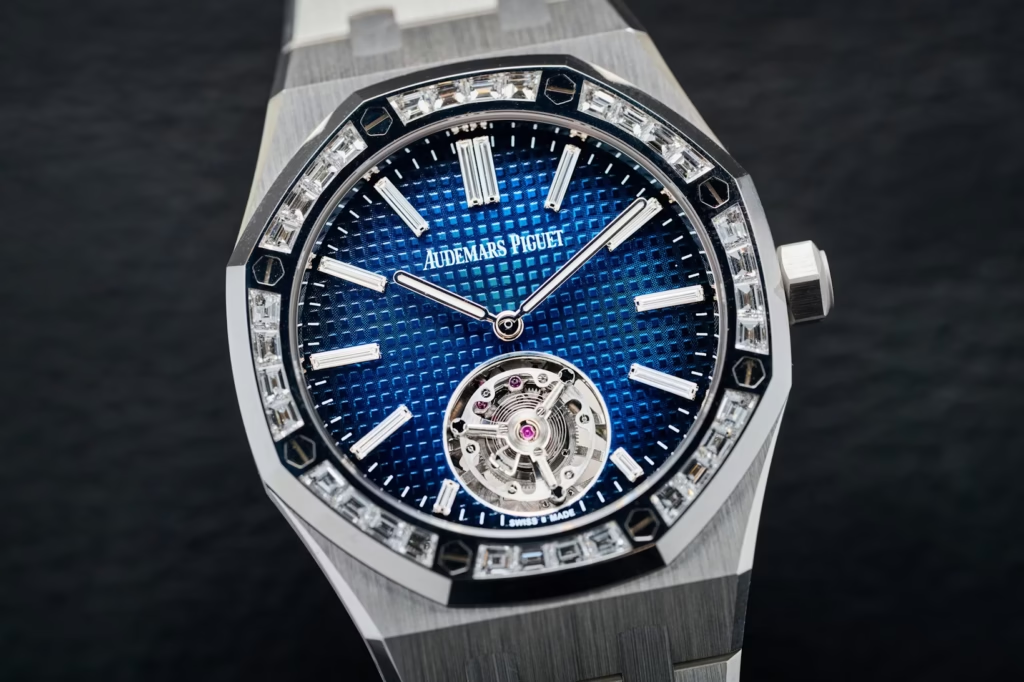
The dial is the soul of the Audemars Piguet Royal Oak, featuring the famous “Grande Tapisserie” pattern. In the past, factories struggled to get the depth and square-base geometry of the pyramids correct. Modern super clones use CNC machines to replica watches this texture, ensuring that the tiny squares are crisp and the “grooves” between them are uniform. The color matching, especially for the iconic “Bleu Nuit, Nuage 50” (Night Blue, Cloud 50), has become incredibly precise. Under a loupe, you should look for the “Audemars Piguet” logo printing; it needs to be raised and sharp, not bleeding into the texture of the tapisserie. The date wheel font is another critical area where super clones have made massive leaps, finally matching the specific weight and height of the genuine Audemars Piguet typography.
Calibre Replication and Movement Aesthetics
Flipping the watch over reveals the sapphire crystal caseback, exposing the movement. For a long time, this was the “tell,” but the current generation of super clones utilizes customized movements that mimic the architecture of the Audemars Piguet Calibre 4302 or 3120. While they aren’t exact clones in terms of every single screw’s function, the aesthetic replica Audemars Piguet is stunning. The 22k gold-plated oscillating weight is engraved with the Audemars Piguet crest and moves with a fluidity that mirrors the genuine article. More importantly, the thickness of the case has been reduced to match the original’s slim profile, a feat that requires a very thin movement decoration plate.
Bezel Alignment and the Hexagonal Screws
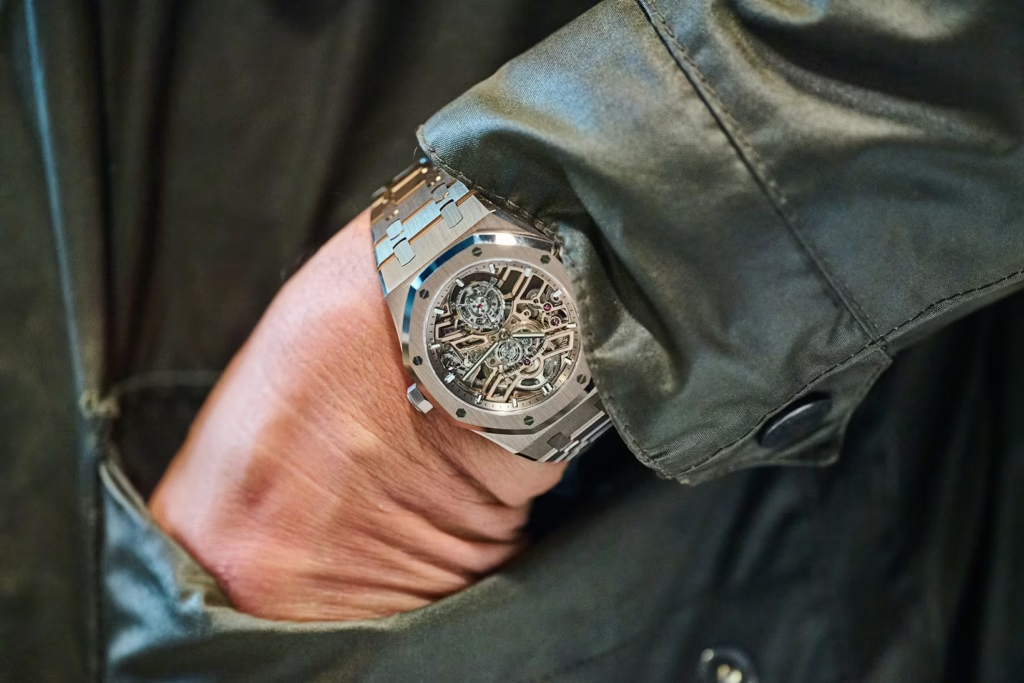
The octagonal bezel is held in place by eight functional hexagonal screws, which, on the genuine watch, are made of white gold. A high-end clone uses polished steel screws that sit perfectly flush with the bezel surface. A common mistake in mid-tier versions is having these screws slightly recessed or protruding, which ruins the silhouette. The vertical brushing on the top of the bezel must also be perfectly aligned with the brushing on the case. When these elements come together the alignment of the screws, the thinness of the case, and the clarity of the AR-coated sapphire the watch achieves that “industrial jewelry” look that has made Audemars Piguet a legend in the world of high watchmaking.